Handicap Ramp Repair in Wilmington, NC
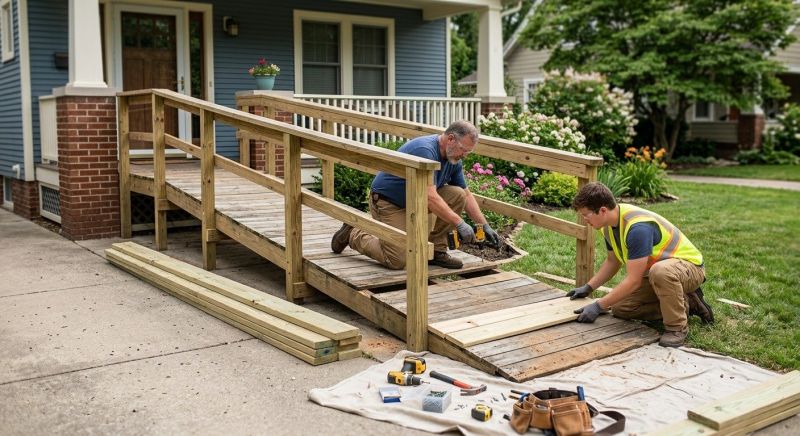
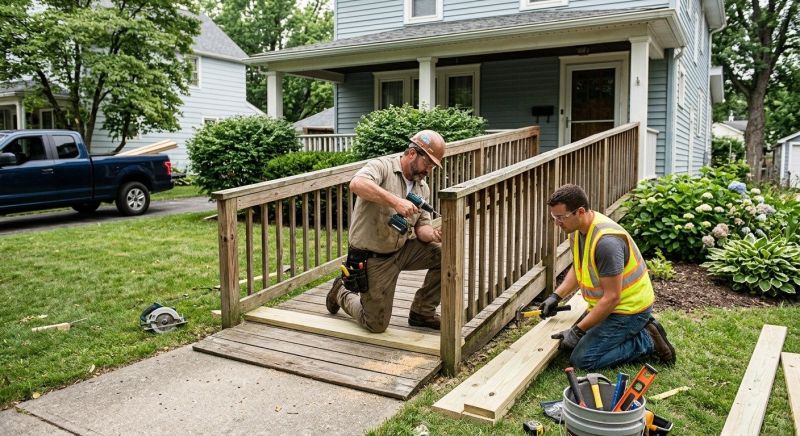
Handicap ramp repair services focus on restoring safety, accessibility, and functionality to existing wheelchair ramps and mobility access points. These projects typically involve fixing structural issues such as loose or damaged handrails, cracked or deteriorated surfaces, and unstable supports. Property owners may also request repairs to improve slope consistency, ensure compliance with safety standards, or address weather-related wear and tear. Before requesting repair services, homeowners should assess the current condition of their ramps, identify any specific safety concerns, and consider whether modifications or upgrades are needed to better serve their accessibility needs.
Understanding the scope of the repair work is essential for property owners planning to request services. This includes knowing the type of ramp installed, the materials used, and the extent of damage or deterioration. Clarifying these details helps determine if repairs are sufficient or if replacement or modifications are advisable. Property owners should also consider any local building codes or accessibility guidelines that might influence repair requirements. Having a clear picture of the existing ramp's condition and desired outcomes can facilitate a smoother repair process and ensure the accessibility needs of all users are effectively met.
Many property owners in Wilmington, NC look into Handicap Ramp Repair for repairs, replacements, upgrades, and appearance-related improvements.
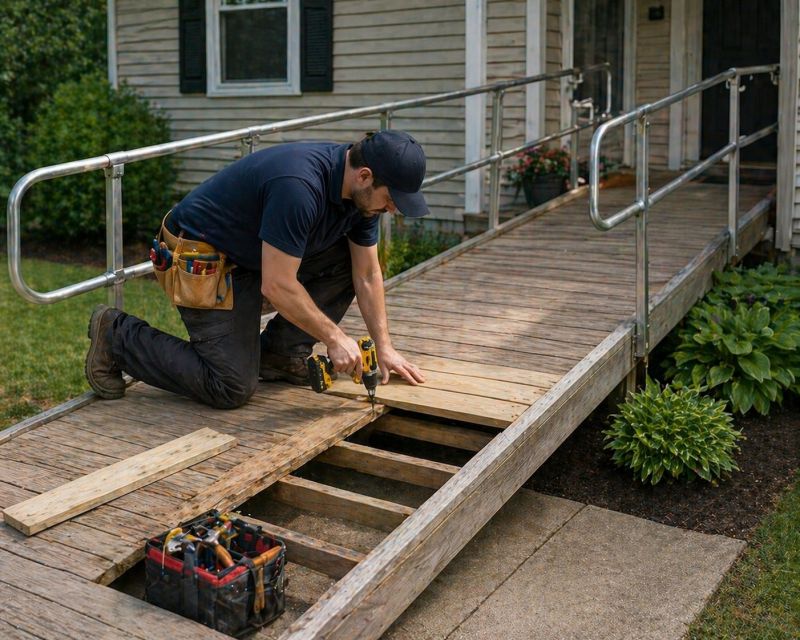
Ramp Repair Solutions
Ensuring safe and reliable access for all visitors and residents.
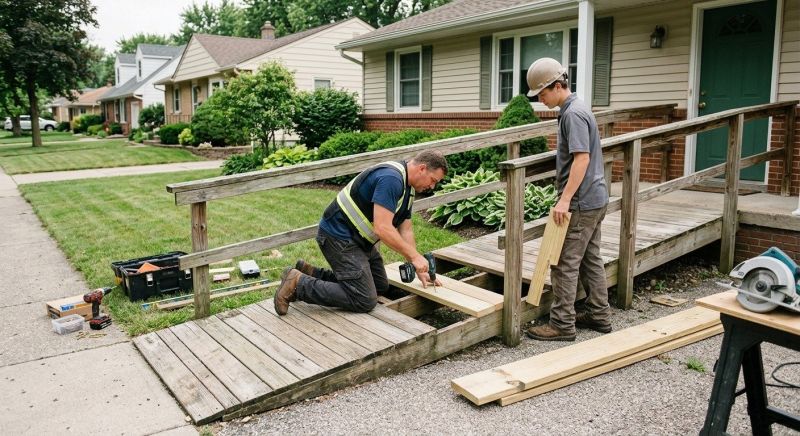
Accessibility Enhancements
Restoring functionality to damaged or worn handicap ramps on residential and commercial properties.
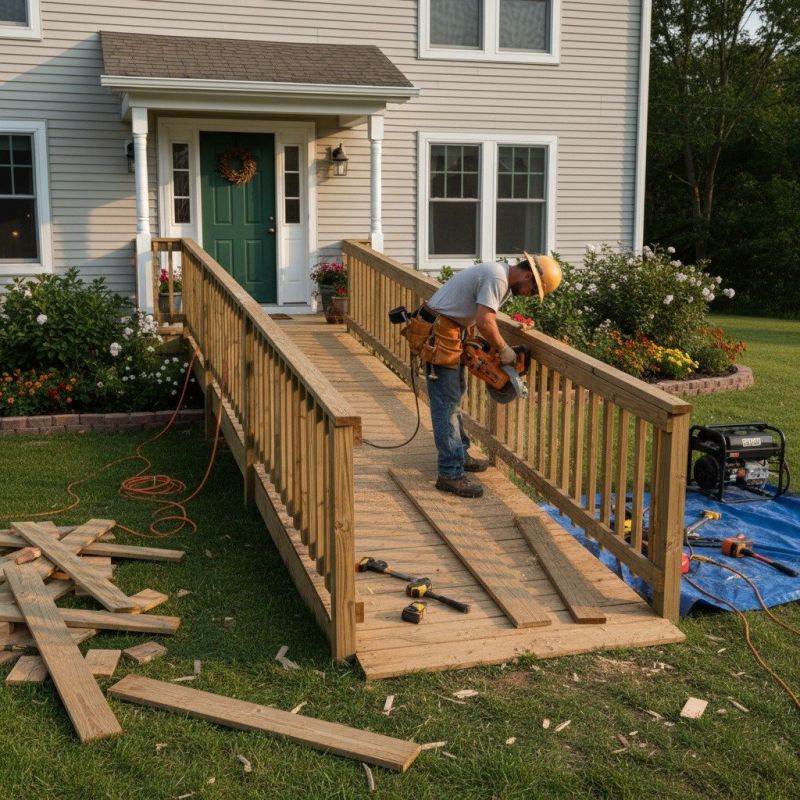
Customized Repair Services
Addressing specific issues like loose handrails, uneven surfaces, or structural damage to meet individual needs.
Handicap Ramp Repair in Wilmington, NC
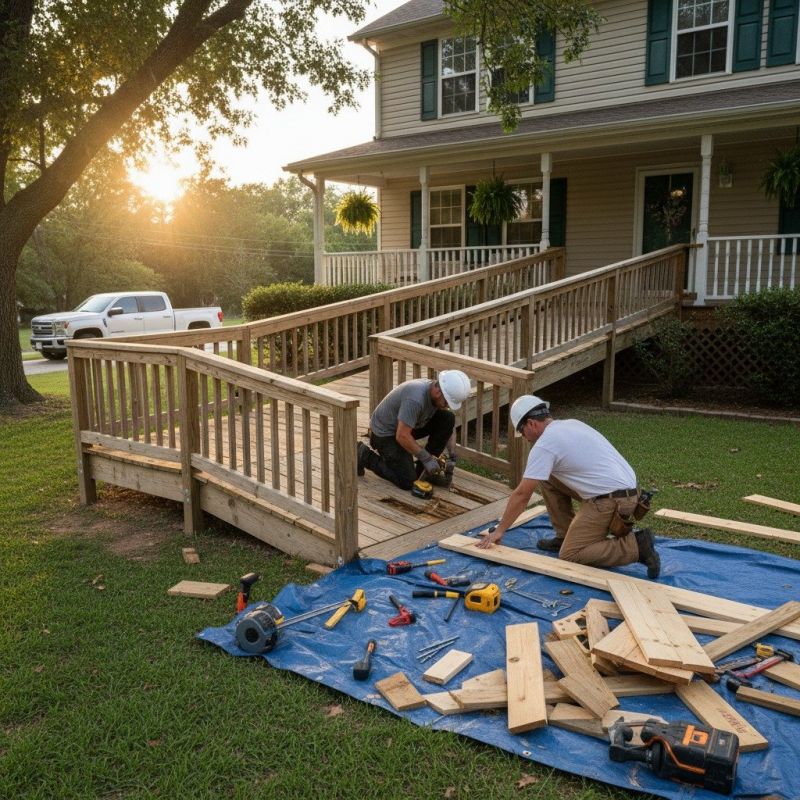
Handicap ramp repair services focus on restoring safety, accessibility, and functionality to existing wheelchair ramps and mobility access points. These projects typically involve fixing structural issues such as loose or damaged handrails, cracked or deteriorated surfaces, and unstable supports. Property owners may also request repairs to improve slope consistency, ensure compliance with safety standards, or address weather-related wear and tear. Before requesting repair services, homeowners should assess the current condition of their ramps, identify any specific safety concerns, and consider whether modifications or upgrades are needed to better serve their accessibility needs.
Understanding the scope of the repair work is essential for property owners planning to request services. This includes knowing the type of ramp installed, the materials used, and the extent of damage or deterioration. Clarifying these details helps determine if repairs are sufficient or if replacement or modifications are advisable. Property owners should also consider any local building codes or accessibility guidelines that might influence repair requirements. Having a clear picture of the existing ramp's condition and desired outcomes can facilitate a smoother repair process and ensure the accessibility needs of all users are effectively met.
Many property owners in Wilmington, NC look into Handicap Ramp Repair for repairs, replacements, upgrades, and appearance-related improvements.
Common Handicap Ramp Repair Jobs
Handicap Ramp Repair - restores safety and accessibility to existing wheelchair ramps.
Ramp replacement - involves removing and installing new ramps to meet current standards.
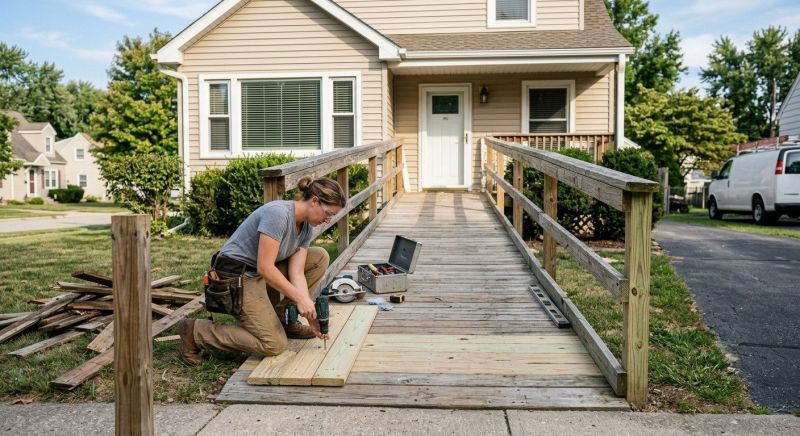
Surface repair - fixes cracks, holes, and uneven surfaces on ramps for smooth access.
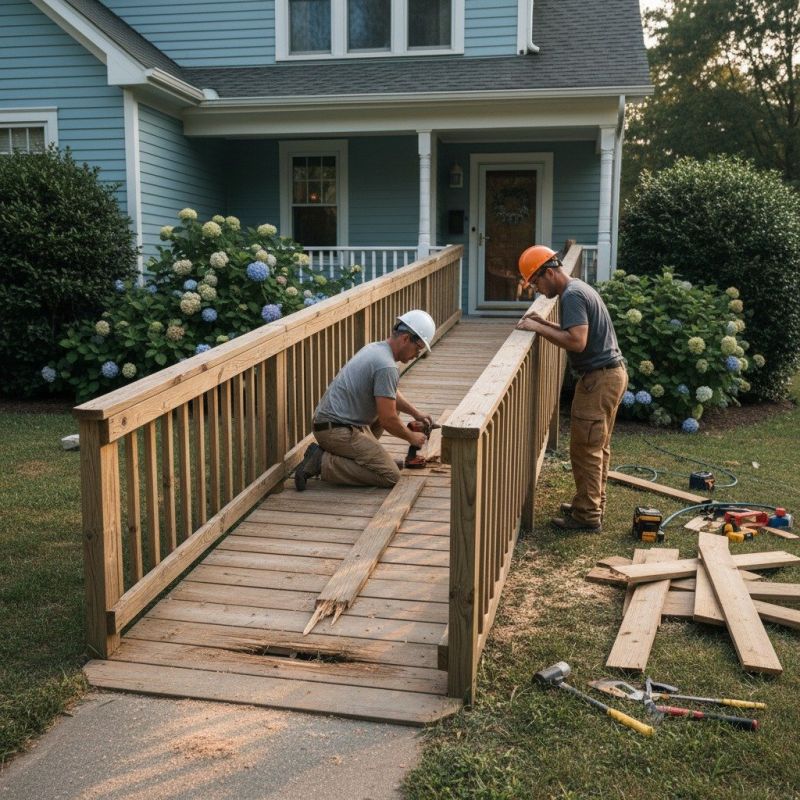
Structural reinforcement - strengthens weak or damaged ramp supports to ensure stability.
Handrail repair - restores or installs handrails for improved safety and support.
Slope correction - adjusts ramp angles to comply with accessibility guidelines.
Handicap Ramp Repair Questions
What types of handicap ramp repairs are commonly needed? Repairs often include fixing loose or damaged handrails, replacing worn-out surface materials, and addressing structural issues to ensure safety and accessibility.
How do I know if my handicap ramp needs repair? Signs include wobbling, cracked surfaces, missing parts, or difficulty in safely supporting mobility devices.
Are repairs to handicap ramps covered under property maintenance? Yes, maintaining a safe and accessible ramp is important for compliance and safety standards.
What materials are used for handicap ramp repairs? Common materials include durable wood, non-slip surfaces, and weather-resistant metals, depending on the existing structure and repair needs.
Request Handicap Ramp Repair in Wilmington, NC
Use the quote form on this page to share the basics of your project and request more information for the type of work you need.